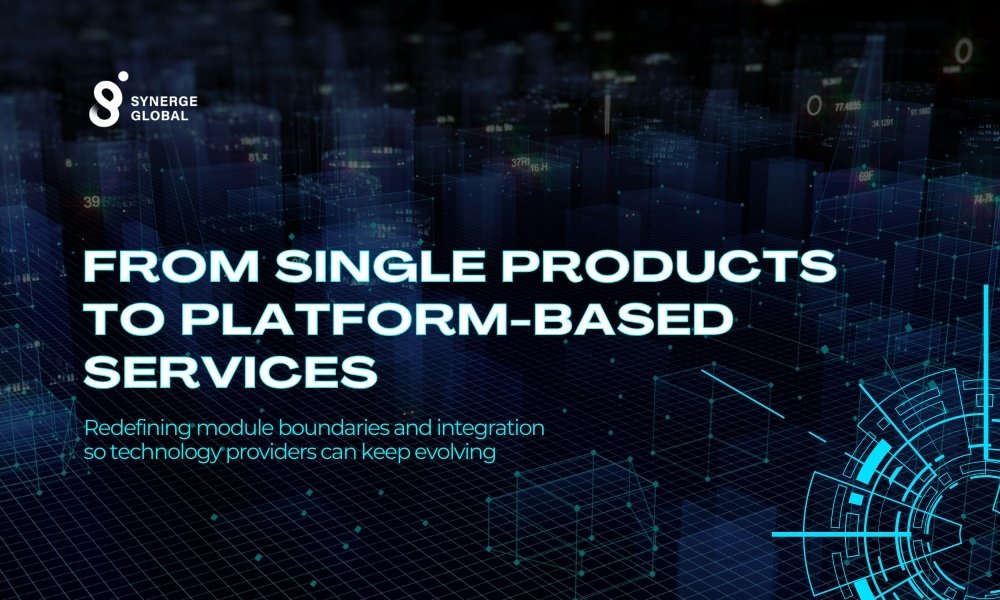
From Single Product to Integrated Platform: How the Global Gaming Tech Landscape Is Reshaping
In an ecosystem where one-stop platforms and specialist services coexist, how should operators choose—and how should B2B providers position themselves?
In recent years, the technology landscape in global gaming and online entertainment has been quietly reshaping. The traditional model—one company focusing on one or two products—is giving way to two diverging forces: on one side, one-stop platforms continuously expanding their product lines and service depth; on the other, specialist providers focused on specific domains such as risk management, operational tooling, analytics, or AI. For operators and B2B technology providers alike, finding the right position in this ecosystem has become a strategic necessity.
One-stop platforms offer clear advantages in integration and a single point of contact. For operators, being able to coordinate game content, platform infrastructure, back-office tooling, and compliance mechanisms with one platform and one technical team can significantly reduce communication overhead and help maintain consistency across multiple products and brands. However, this level of integration also raises the risk of vendor lock-in and architectural dependency. When a platform’s core design does not fully align with an operator’s market path, customization requirements and long-term maintenance costs tend to be amplified, and the room for strategic adjustment can narrow over time.
Specialist services, by contrast, bring depth and flexibility. Whether delivered as APIs for risk and behavioral monitoring, operational and marketing tools, reporting and analytics modules, or domain-specific AI models, these providers typically focus on solving a well-defined vertical problem. They help operators augment existing platforms with critical capabilities that would otherwise be costly or slow to develop internally. The challenge, however, lies in integration, version management, and responsibility boundaries—all of which must be clearly defined at the beginning of a project. As the number of specialist services increases, the overall maintainability of the platform can be compromised if this clarity is missing.
For operators, the choice between a one-stop platform and a composite of specialist services is not a simple “good versus bad” question; it is closely tied to organizational maturity and resource allocation. When internal technical and integration capabilities are still developing, and there is a need to launch multiple products and markets quickly, a one-stop platform can provide a more stable starting point. As the business expands across markets and product lines, however, the ability to introduce specialist capabilities around the platform core—without sending every requirement back to a single provider—becomes essential for long-term resilience.
The same logic applies to B2B providers. Each needs a clearer stance: is the goal to become a broad, one-stop platform, or to remain highly specialized in certain technical or operational domains, with robust interfaces and documentation that make collaboration with multiple platforms straightforward? For teams focused on software development, architecture design, and cross-border market enablement, the value often lies less in delivering a single product and more in helping clients configure a stable, extensible combination of platform and specialist services.
From Synerge Global’s vantage point, competition in the global gaming technology space is gradually shifting from “whose single product is strongest” to “who provides the clearer architectural logic and ecosystem positioning.” For operators, understanding this shift makes it easier to evaluate platform and vendor portfolios not just by features and short-term cost, but through the lens of long-term architecture, maintainability, and operational flexibility.
Disclaimer: The information provided herein reflects general industry knowledge and does not constitute legal or regulatory advice.